HERMES
Hermes is the first supersonic rocket developed and launched by the team, which has opened a door for various important developments for the team’s future rockets. The team’s main objective was to expand knowledge about supersonic rockets and test new elements developed by them in flight to see how they behave in this new regime, since, upon crossing the sound barrier, the aerodynamic characteristics of the rocket vary drastically, potentially causing dynamic phenomena that put the rocket at risk. The design of Hermes began in early August 2023, following previous studies on the supersonic regime and its flight-related challenges.
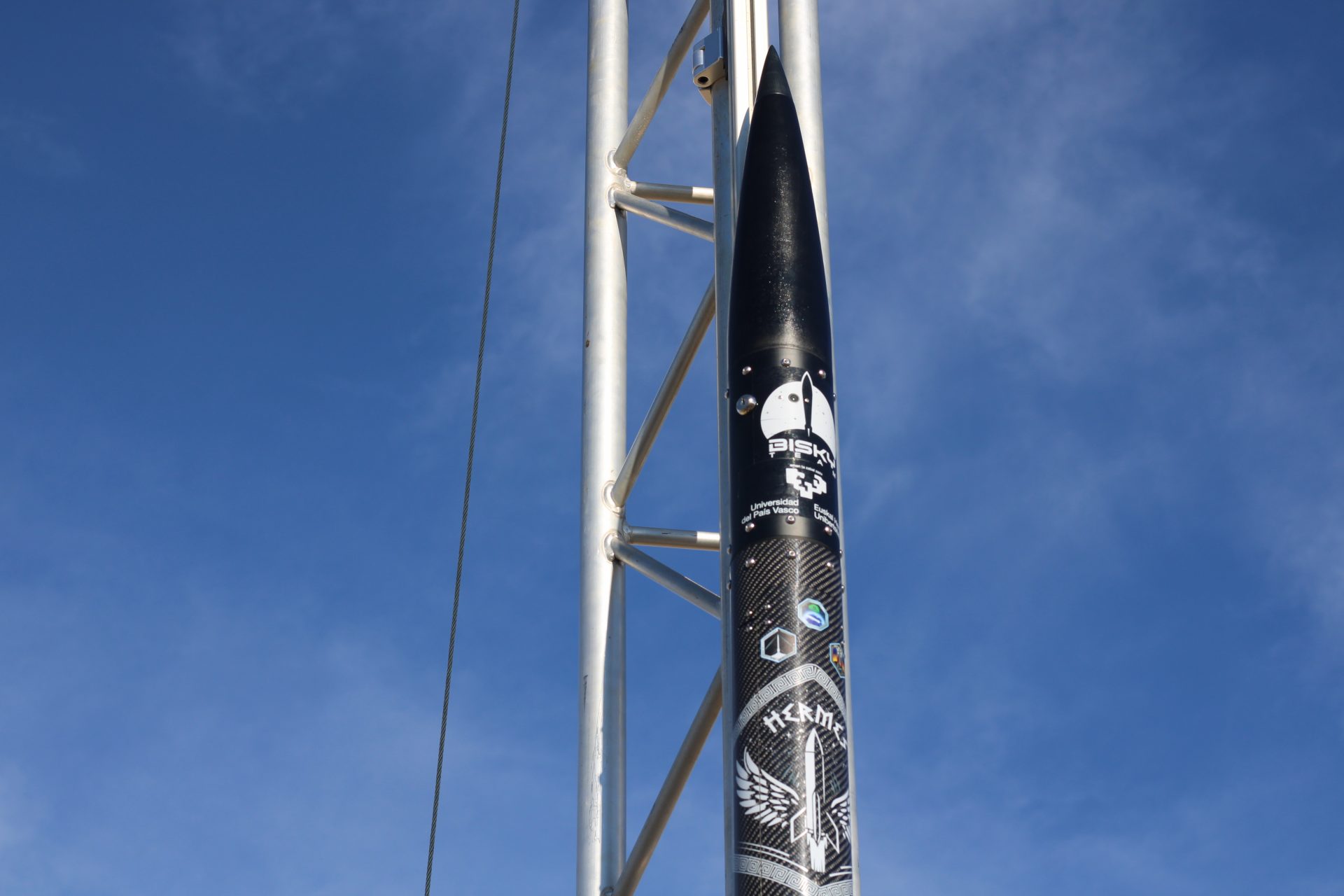
It was estimated that Hermes would reach an altitude of 4.5 km, with the rocket measuring 1.8 m in length and 10 cm in diameter. Like Atlas, Hermes is a modular rocket manufactured from carbon fiber. Because Hermes is a supersonic rocket and had an anticipated apogee of 4.5 km, the team once again had to contact the San Gregorio military (ground army) training ground located in Zaragoza to use their facilities for the launch.
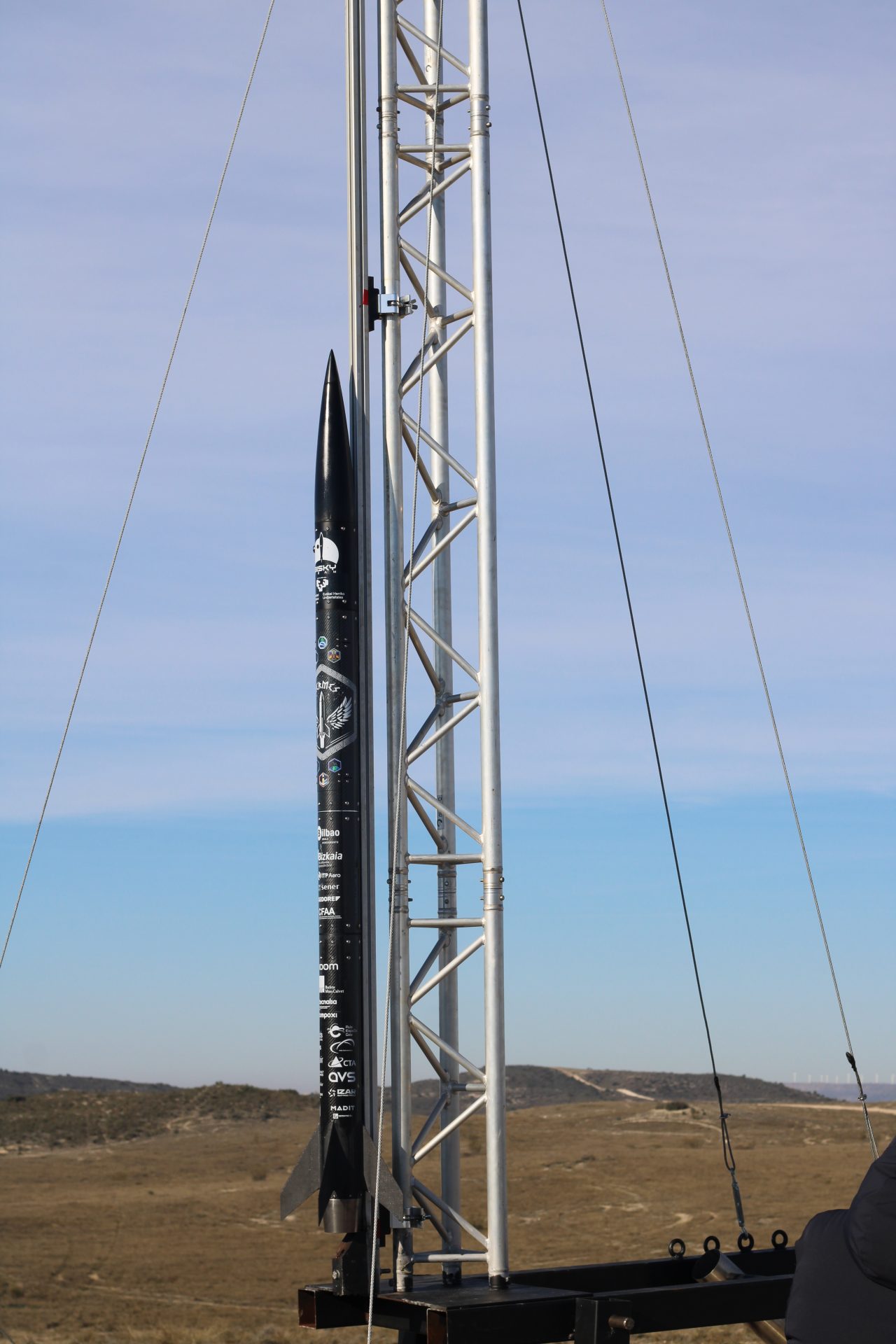

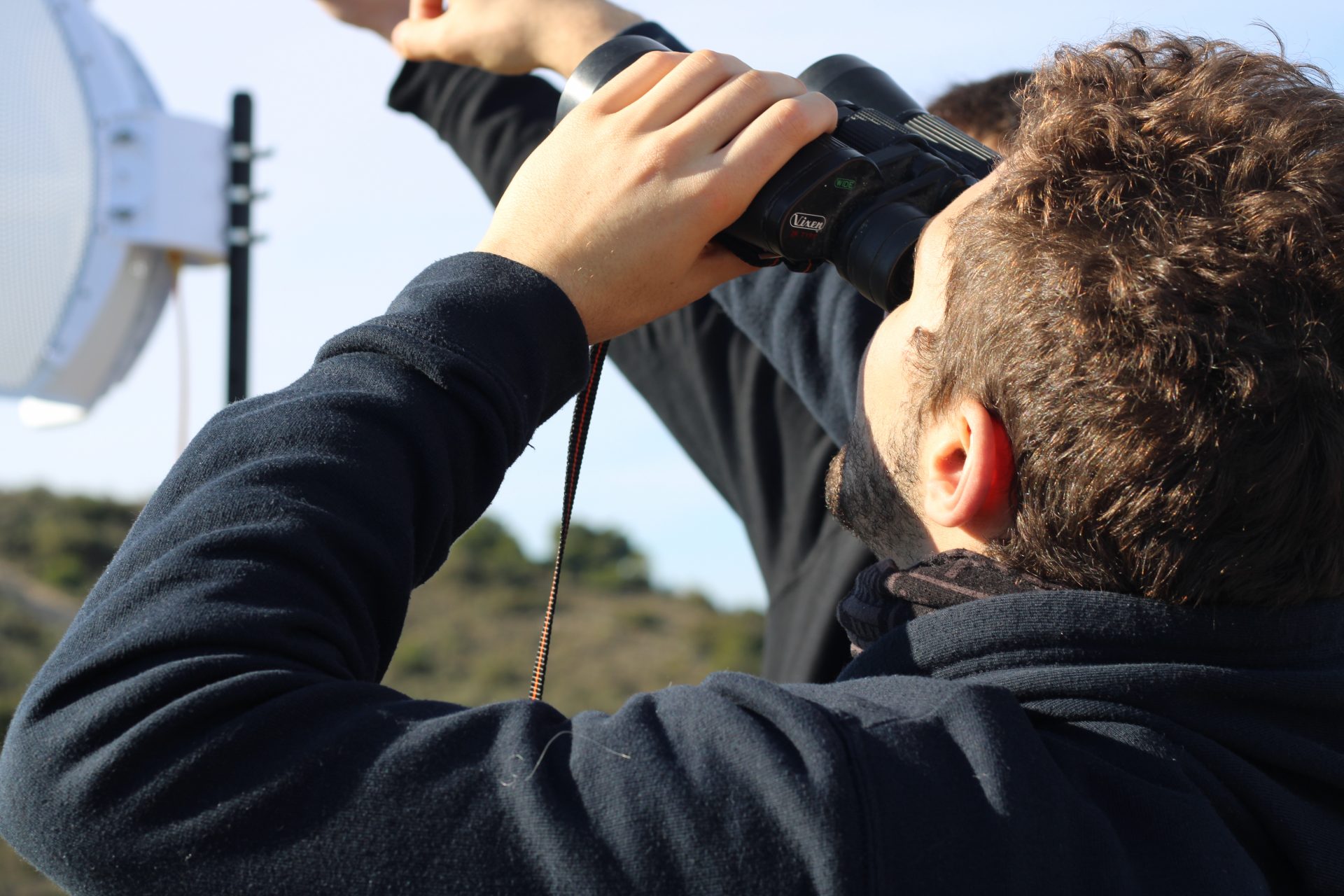
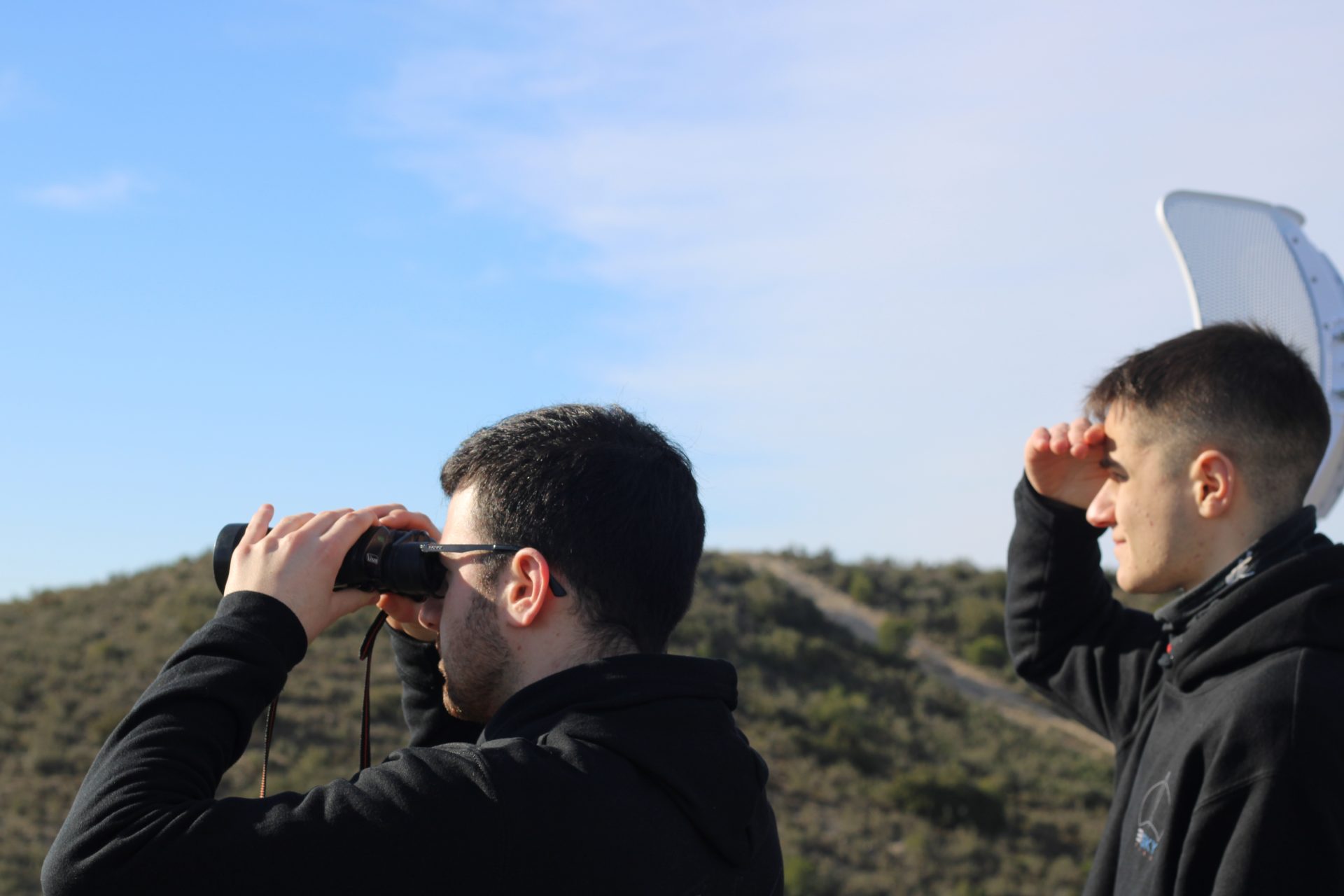
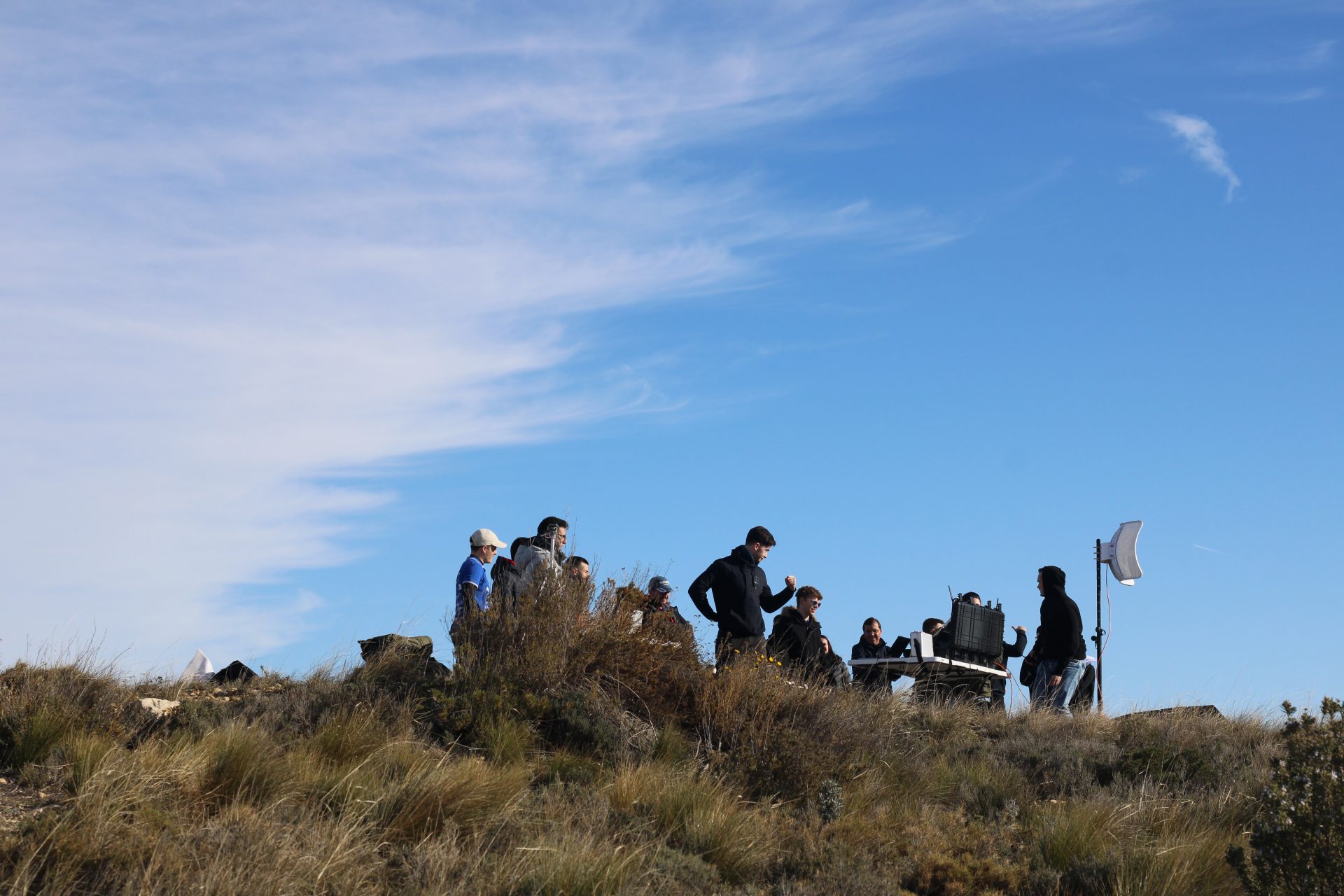
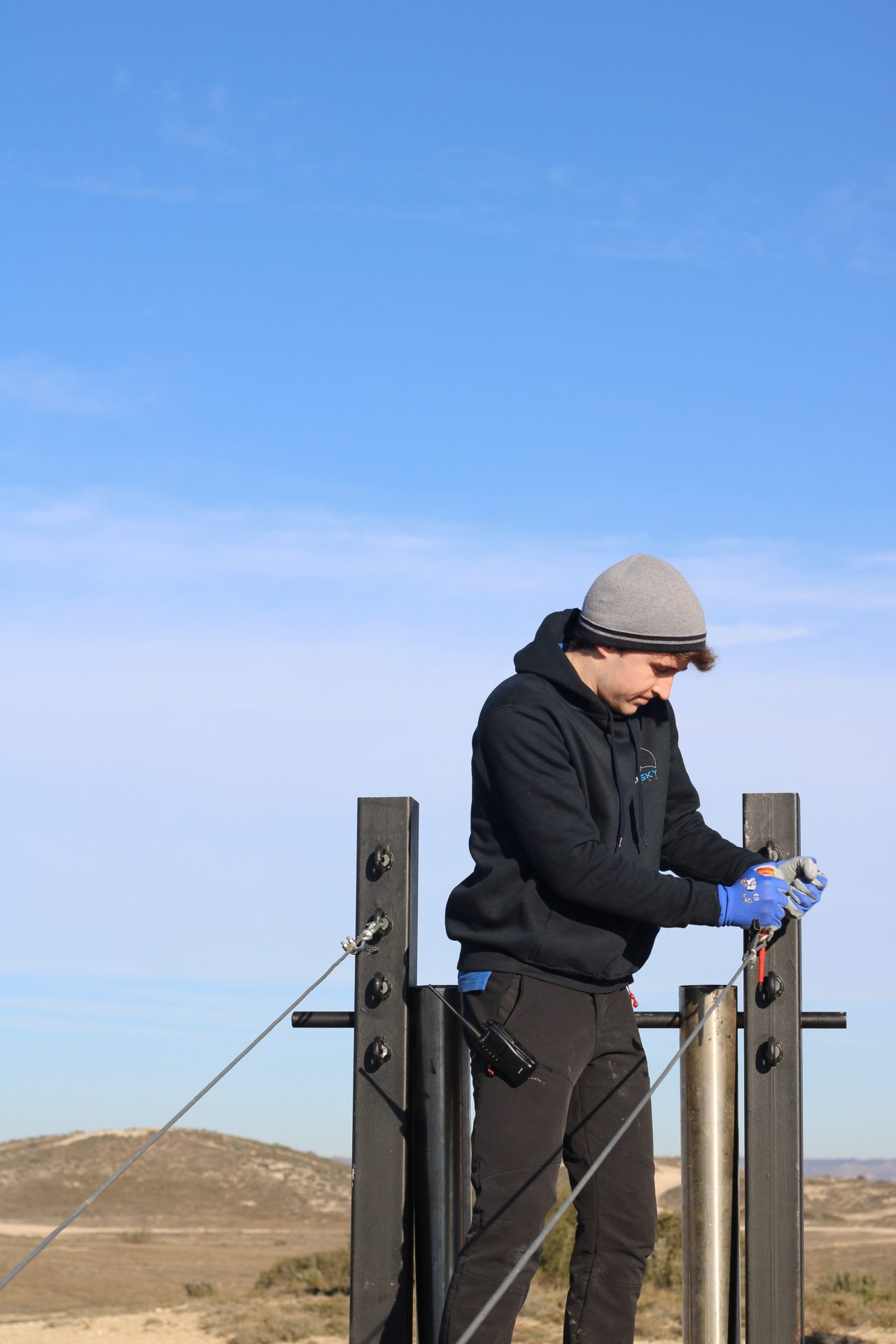
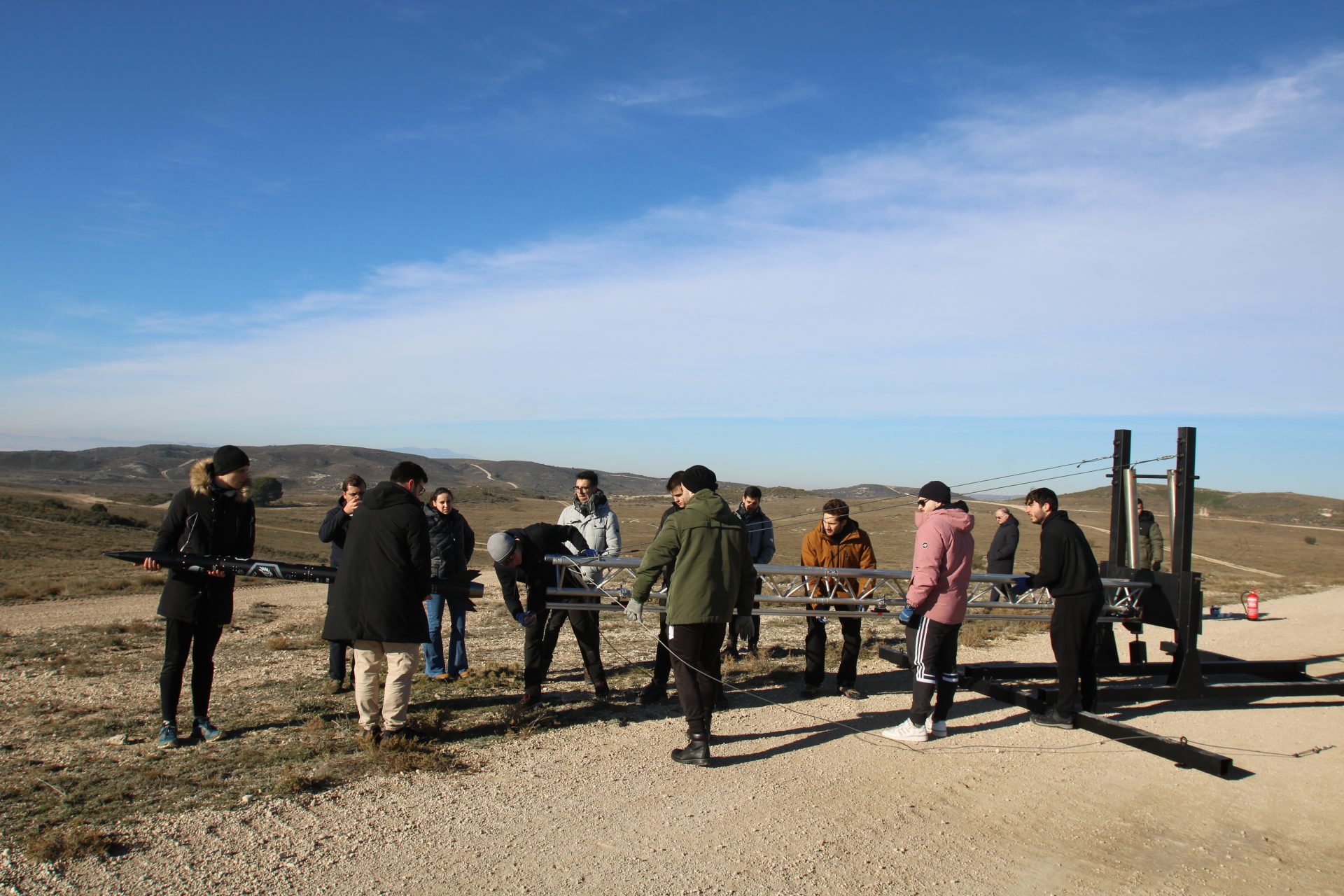
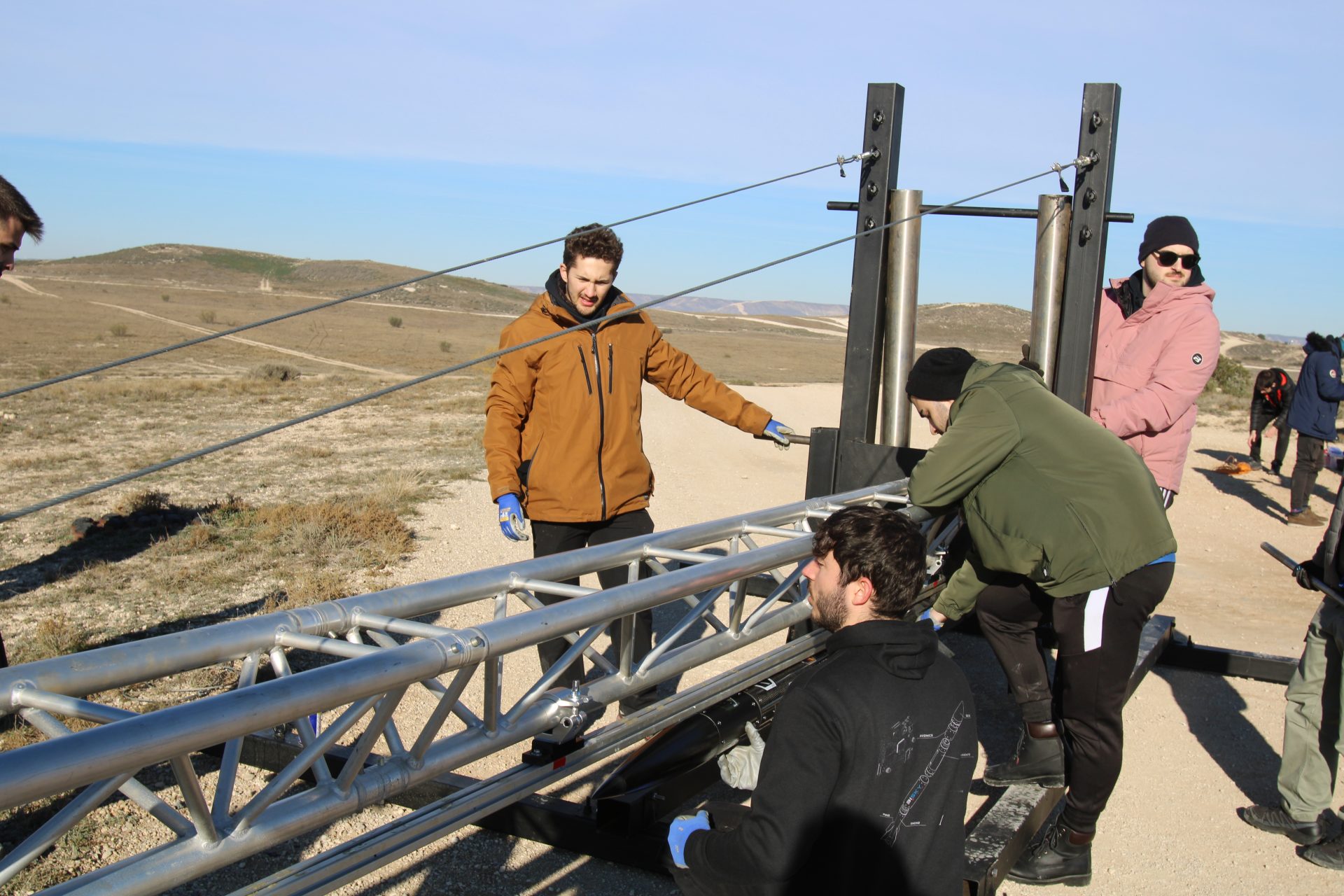
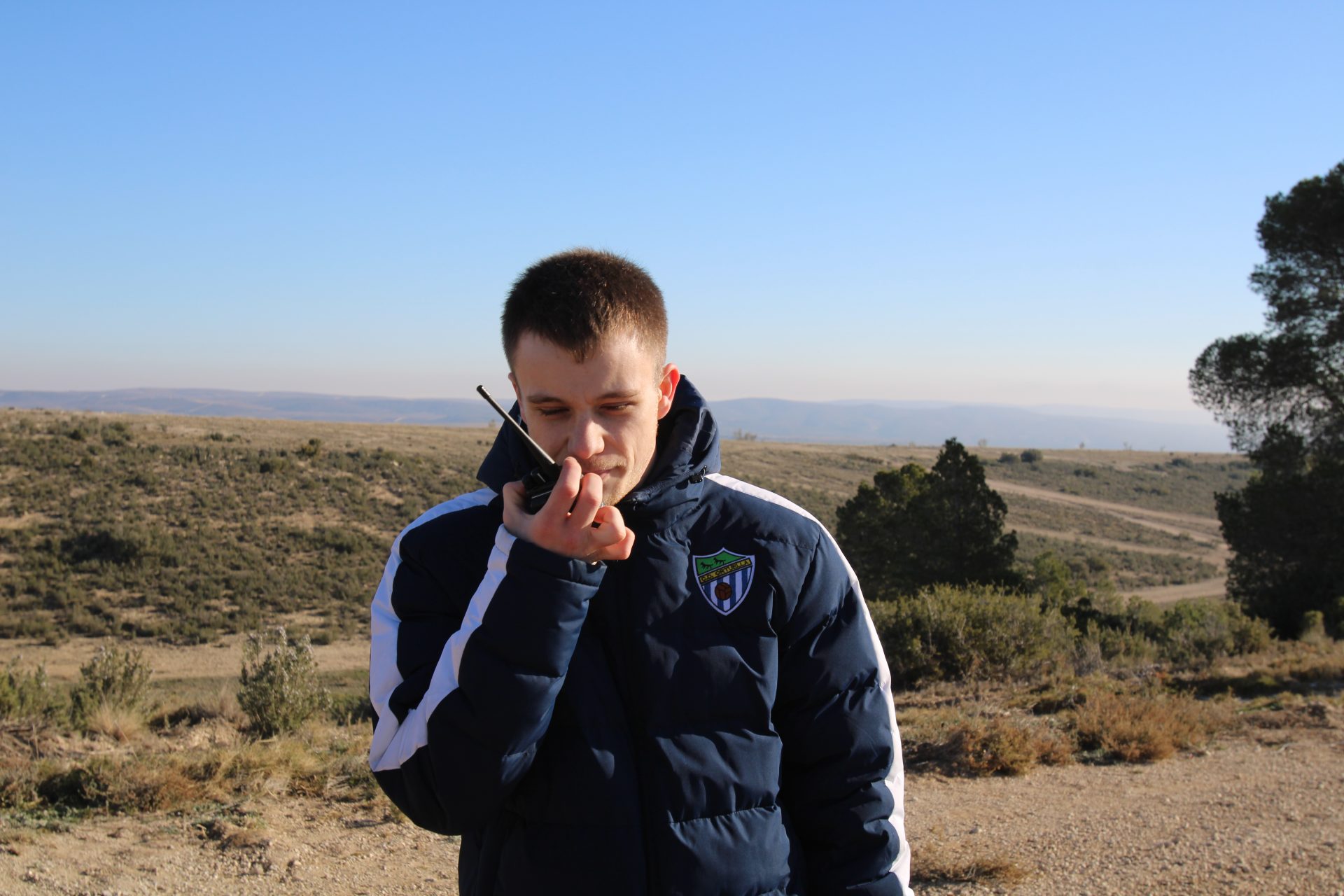
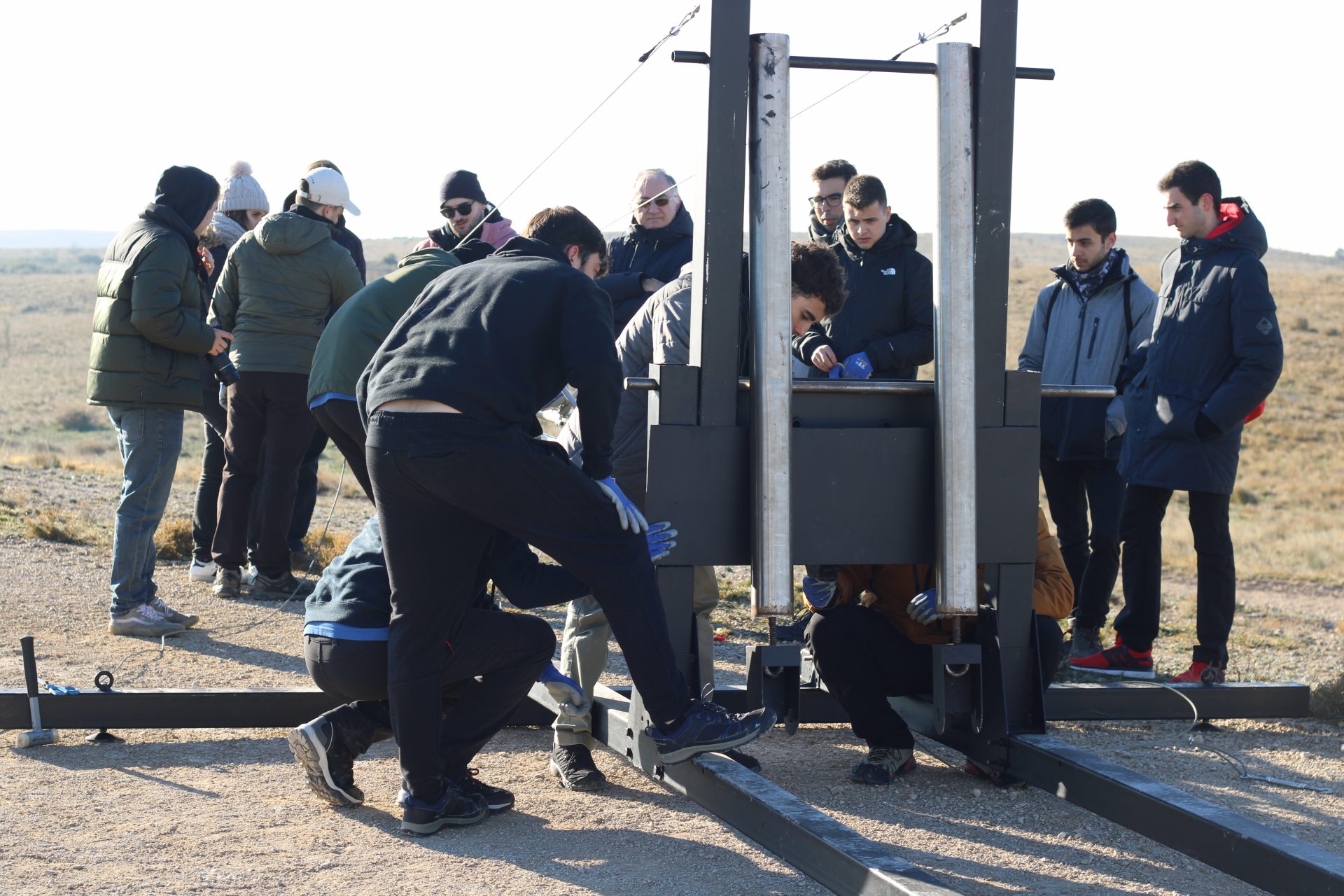
On December 26th, the operation proceeded smoothly and all systems functioned correctly, thanks to the prior work and good organization by all team members, managing to be ready for the launch in three hours. After successfully completing all pre-launch operations, it was determined that the optimal time for the launch would be 12:30 PM.
From the moment the rocket left the launch rail until shortly after reaching the supersonic regime, Hermes maintained a stable flight attributed to the correct behavior of the passive control elements. Due to a failure, there was an early termination of the flight, but this did not prevent the achievement of most of the objectives set by the team. Furthermore, we have already found a solution to this issue and will implement it in future flights. The rocket and all the new subsystems developed by the team reached the estimated maximum speed in flight, entering the supersonic regime. The navigation and data collection systems functioned correctly, gathering crucial flight information.